
Demolition Contractors in Abu Dhabi
Permit to plot handover, managed by one contractor. We survey your site, process the demolition permit through the municipality, coordinate utility disconnections, demolish safely, and clear the debris to approved recycling facilities.
A Demolition Company in Abu Dhabi That Handles the Paperwork, Not Just the Machinery
Most demolition delays in Abu Dhabi are not caused by the machinery. They are caused by approvals. A missing utility disconnection, an incomplete method statement, or a waste plan that was never submitted can hold a site for weeks after the excavator is already on standby.
Al Raihan Rental works the other way round. Before anything is broken, our team confirms the plot details, prepares the documentation the municipality expects, and coordinates the disconnections that have to be signed off before demolition can legally begin. Then we bring in the right machine for the structure, keep dust and noise under control, and hand back a cleared, level plot with the disposal records in your file.
As a demolition contractor in Abu Dhabi, UAE, we take on villa demolition, full building demolition, commercial strip-outs, industrial dismantling, concrete breaking and site clearance across the emirate, from Mussafah and Khalifa City to Baniyas and Al Shahama.
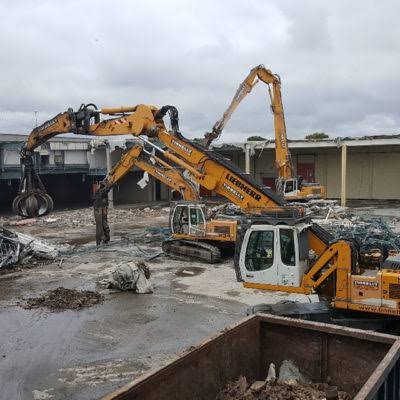
Our Demolition Services in Abu Dhabi
Safe, planned and professionally managed demolition services for residential, commercial and industrial projects.
Villa and House Demolition
Full or partial removal of residential villas, extensions and boundary structures. We soft strip the interior first, then take the structure down mechanically, so materials can be separated and the plot is left ready for rebuild.
Get a quoteBuilding Demolition
Complete building demolition for older residential and mixed-use blocks, including top-down mechanical demolition where neighbouring properties are close. Structural sequence is planned before mobilisation.
Get a quoteCommercial Demolition
Office fit-out removal, retail strip-outs and full commercial building demolition. Work can be phased or scheduled outside trading hours so the rest of your premises keeps operating.
Get a quoteIndustrial and Warehouse Demolition
Industrial demolition and dismantling of warehouses, sheds, steel frames and plant structures, including in Mussafah and ICAD industrial areas. Steel and recoverable material is separated for salvage where the structure allows.
Get a quoteInterior and Soft Strip Demolition
Interior demolition and partial demolition: selective removal of partitions, ceilings, flooring, joinery and services while the main structure stays intact. Suited to refurbishment projects where the shell is being retained.
Get a quoteConcrete and Structural Demolition
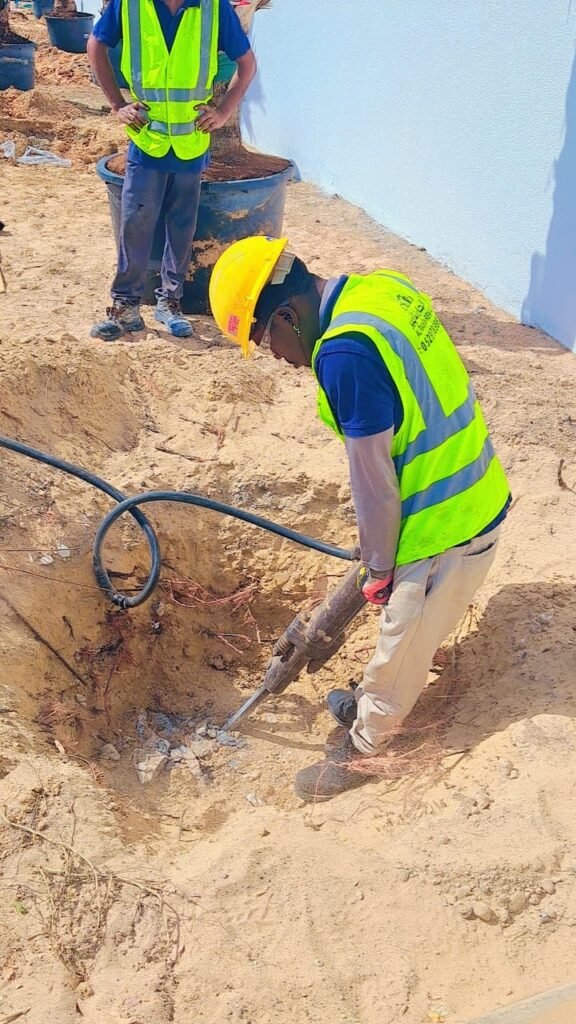
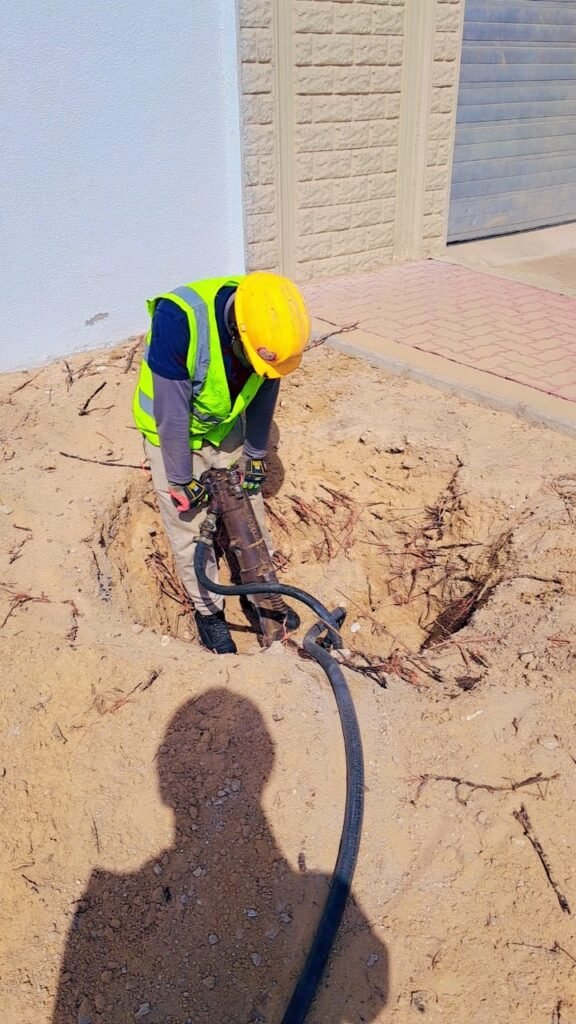
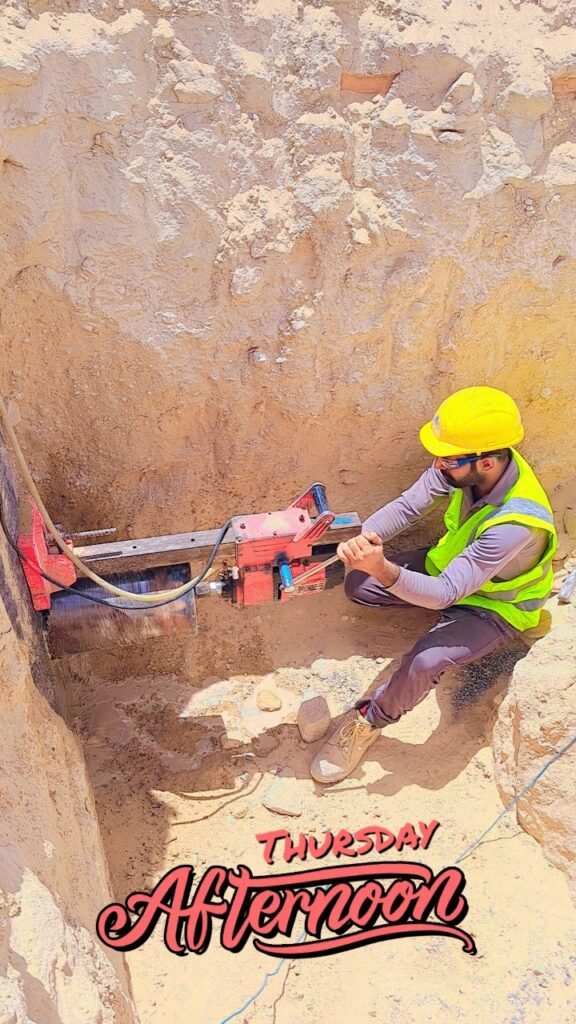
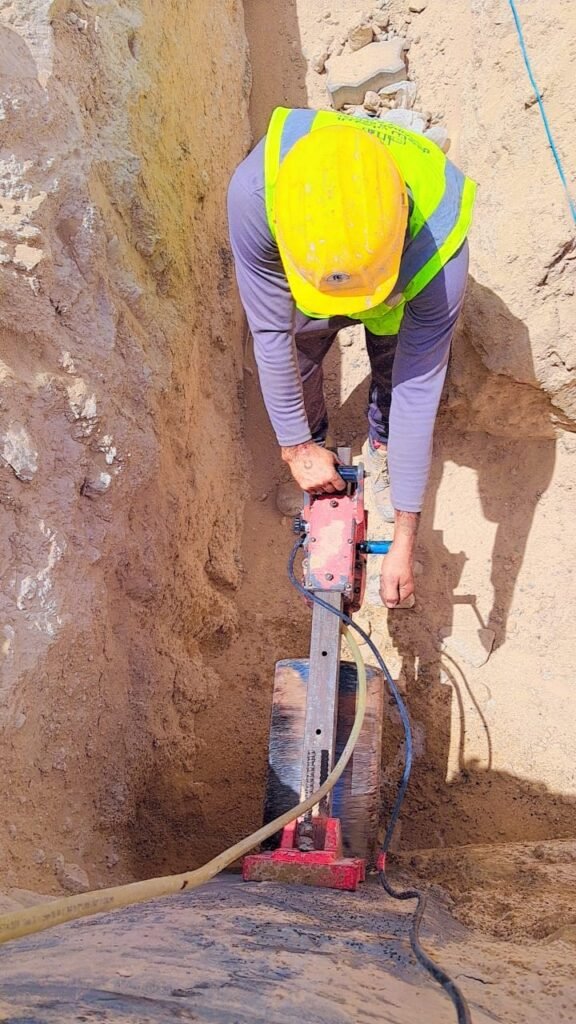
Concrete demolition for slabs, walls, floors and roofs, including concrete breaking and removal of foundations and beams. Hydraulic breakers and controlled cutting are used where vibration has to stay low.
Get a quoteSwimming Pool Demolition
Breaking out and removing in-ground and above-ground pools, backfilling and compacting the void, and levelling the surface for landscaping or new construction.
Get a quoteSite Clearance and Debris Removal
Rubble removal, foundation grubbing and final levelling. This can be booked with a demolition or as a standalone job on a plot that was cleared badly by someone else.
Get a quoteSelective Demolition
Controlled removal of specific structural or non-structural elements without demolishing the entire building. This includes removing walls, slabs, columns, beams, staircases or sections of a structure while protecting the parts that need to remain.
Get a quoteDemolition Permits and Approvals in Abu Dhabi: What Your Project Actually Needs
Demolition in Abu Dhabi is a regulated activity. A structure cannot legally come down until the required authorities and services have been properly coordinated. Here is what sits behind a compliant demolition, and which parts we help manage for you.
The Demolition Permit
A demolition permit is issued through the Department of Municipalities and Transport and applied for via the TAMM government services portal. The application requires plot and ownership details, drawings and supporting documentation explaining how the structure will be taken down.
Utility Disconnection NOCs
Electricity and water services must be formally disconnected before demolition starts, while telecom services also require coordination. These are separate requests with their own lead times, so they need to be raised well before mobilisation.
Civil Defence and Site Safety Approvals
Fire safety and site protection requirements need to be considered alongside occupational safety obligations. Depending on the project, this includes a demolition method statement, risk assessment, exclusion zones, secured hoarding and scaffolding, and an emergency plan.
Construction and Demolition Waste Approval
Demolition waste must be handled through the required waste management process rather than simply tipped. Waste is segregated where practical, transported by appropriate carriers and directed to approved treatment and recycling facilities.
Site Inspection and Closure
Municipal inspections can check compliance during the demolition process, including permit validity, site cleanliness, waste removal and site protection. Once the plot is cleared, the documentation trail supports the next stage of your project.
We manage this end to end.
You give us the plot details and ownership documents. We prepare and coordinate the required submissions, follow up on approvals and keep you updated on where each stage stands.
How We Run a Demolition Project
Step 1 — Site survey and structural assessment
Demolition planning starts on site. We visit the plot, measure the built-up area, photograph access and the surrounding structures, and identify anything that changes the method: shared walls, tight access, overhead lines, or suspected hazardous material.
Step 2 — Fixed quotation and demolition method statement
You receive a written quotation broken into mobilisation, demolition, waste disposal and permit handling, rather than one lump figure. Alongside it we prepare the method statement and risk assessment that set out the demolition sequence.
Step 3 — Permits and disconnections
We process the demolition permit application and raise the utility disconnection requests, then confirm isolation in writing before any breaking begins.
Step 4 — Site setup and soft strip
Hoarding, signage and exclusion zones go up. Interiors are stripped and salvageable material is removed before the structure itself is touched.
Step 5 — Demolition
The structure is taken down using the method agreed at survey stage: mechanical demolition with excavators and hydraulic breakers, controlled sequencing where neighbours are close, or manual demolition in restricted areas. Water suppression runs throughout to control dust, and working hours are set to keep noise within permitted limits.
Step 6 — Waste segregation, clearance and handover
Concrete, steel, wood and mixed waste are separated on site and transported to approved facilities. The plot is cleared, levelled and handed back, with disposal documentation provided for your records.
Equipment We Bring to Site
Demolition equipment is matched to the structure, not to whatever is free that week. Because we operate our own plant hire fleet, the right machine goes to the right job instead of whatever happens to be available from a third party.
 01
01
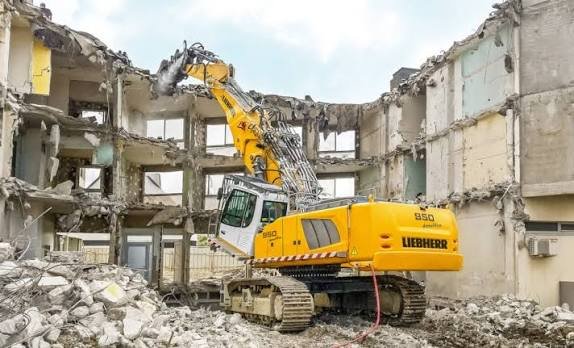
Demolition Excavators
Demolition excavators for structural take-down, sized to the plot and access route.
 02
02
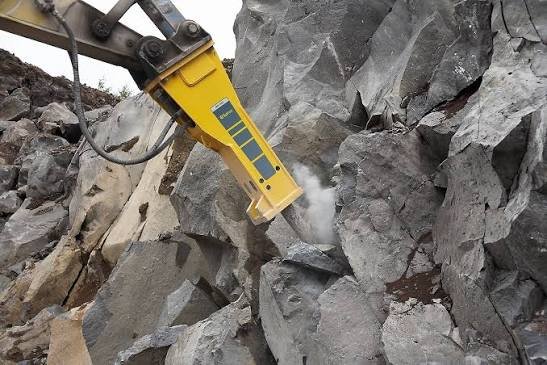
Hydraulic Breakers
Hydraulic breakers for concrete slabs, foundations and heavy structural elements.
 03
03
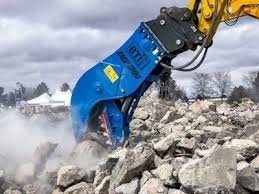
Demolition Attachments
Buckets, shears and grabs for controlled demolition, sorting and loading of recoverable materials.
 04
04
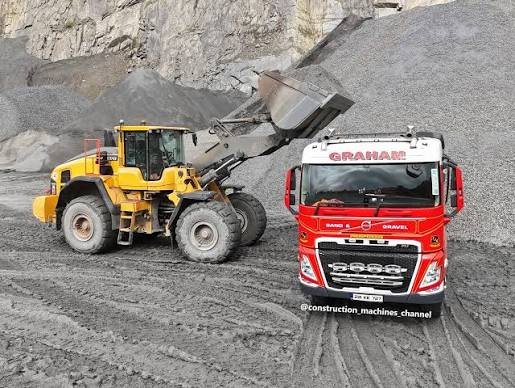
Tipper Trucks and Loaders
Tipper trucks and loaders for continuous debris removal so the site does not congest.
 05
05
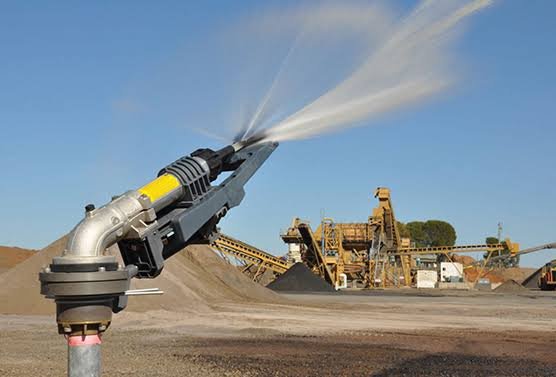
Dust Suppression Equipment
Dust suppression equipment to keep airborne particulate down, particularly around residential areas.
 06
06
Hand Tools and Mini Plant
Hand tools and mini plant for interior and soft strip work in occupied or restricted-access buildings.
Right machine. Right job. Equipment is selected around the structure, access conditions and demolition method agreed during the site survey.
Safety, Dust Control and Waste Handling
Demolition safety is regulated in Abu Dhabi, sites are inspected, and the requirements are specific: a valid permit on site, secured scaffolding, controlled access, cleanliness, proper waste removal, and an emergency plan the workers have actually been trained on.
We follow a controlled site process
Documented Risk Assessment
Carry out a documented risk assessment before mobilisation.
Controlled Access
Establish exclusion zones and protect adjacent buildings and public walkways.
Dust and Noise Control
Run continuous water suppression for dust and schedule noisy work within permitted hours.
Hazardous Material Checks
Check for hazardous material during the survey and arrange specialist removal where it is identified.
Waste Segregation
Segregate concrete, steel and wood on site rather than mixing waste streams.
Approved Waste Transport
Use licensed transport to approved treatment and recycling facilities.
Disposal Documentation
Provide disposal documentation on completion for your project records.
What Determines Your Demolition Cost in Abu Dhabi
Every plot is different, so we quote after a survey rather than off a rate card. These are the factors that move the number.
Request a Detailed QuotationBuilt-up area and number of floors
The single biggest driver. A single-storey villa and a four-storey block are different projects, not different sizes of the same project.
Structure type
Reinforced concrete takes longer and produces more waste than block or steel frame.
Access
Clear road access allows larger machinery and fewer truck movements. Tight sites may need smaller plant and more manual work.
Proximity to other buildings
Shared walls and close neighbours mean controlled, sequenced demolition instead of a straightforward take-down.
Waste volume and disposal
Tipping and transport scale with the material generated, while segregation affects where it can go.
Permits and disconnections
Approval handling and utility coordination form a line item, which we show separately rather than burying it.
Our Projects

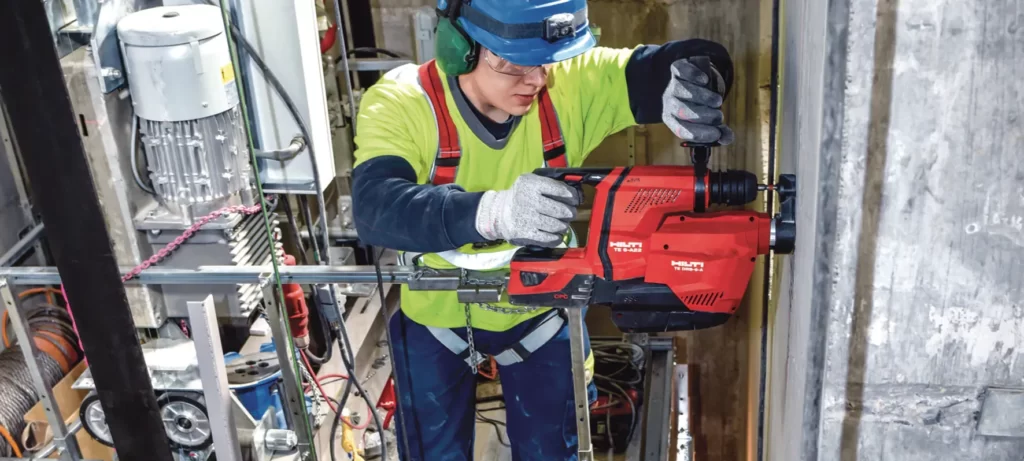
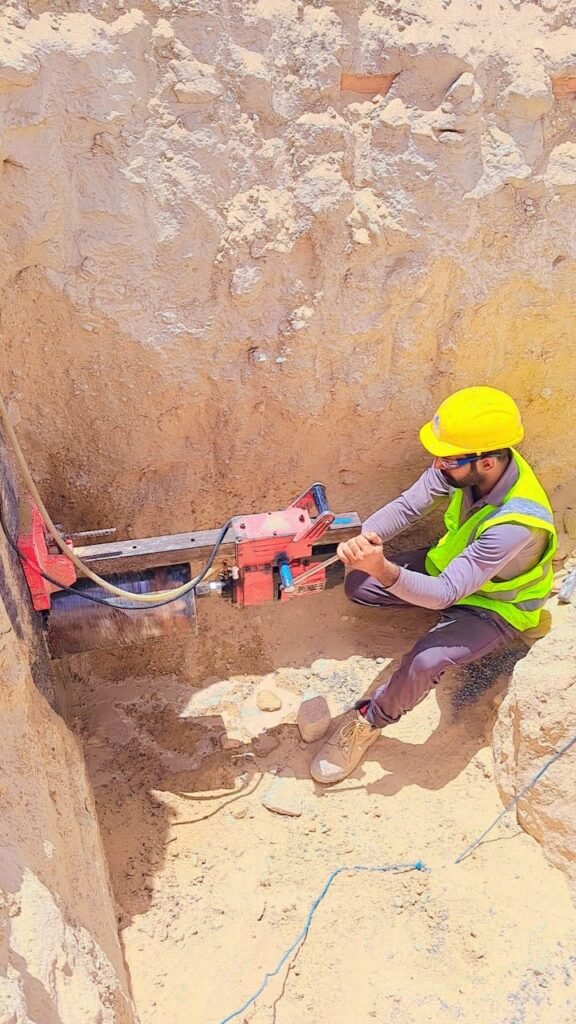
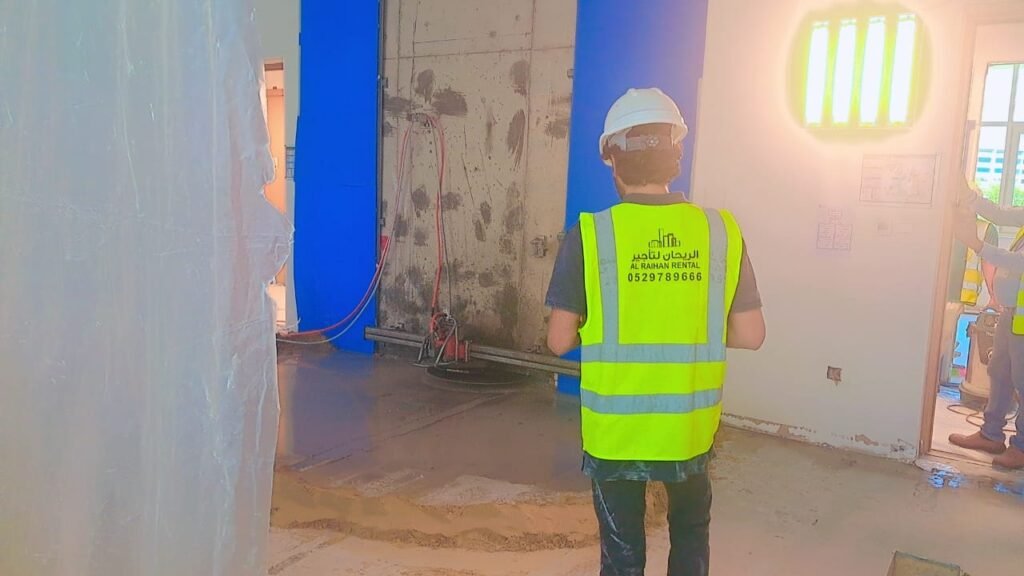
What Our Clients Say About Us
Our reputation is built on quality work and customer satisfaction. See what homeowners, contractors, and businesses say about our core cutting, concrete cutting, and demolition services across Dubai.
Why Clients Choose Al Raihan Rental
From the first site survey to final handover, we keep the demolition process organised, transparent and managed through one point of contact.
One Contractor from Permit to Handover
You are not managing a demolition contractor, a permit consultant, a waste carrier and a plant hire company separately. It is one point of contact and one quotation.
Our Own Equipment
We are a plant and equipment rental business as well as a demolition contractor, so the machinery is ours. That means fewer scheduling delays and no third-party mark-up on plant.
Compliance Handled Properly
Method statements, risk assessments, waste documentation and utility NOCs are part of the job, not an afterthought when an inspector arrives.
Written Timelines
You get an estimated duration before mobilisation, and you are told immediately if an approval is going to move it.
Site Left Genuinely Clear
Handover means levelled and swept, ready for the next contractor, not a plot with foundations still in the ground.
Areas We Cover Across Abu Dhabi
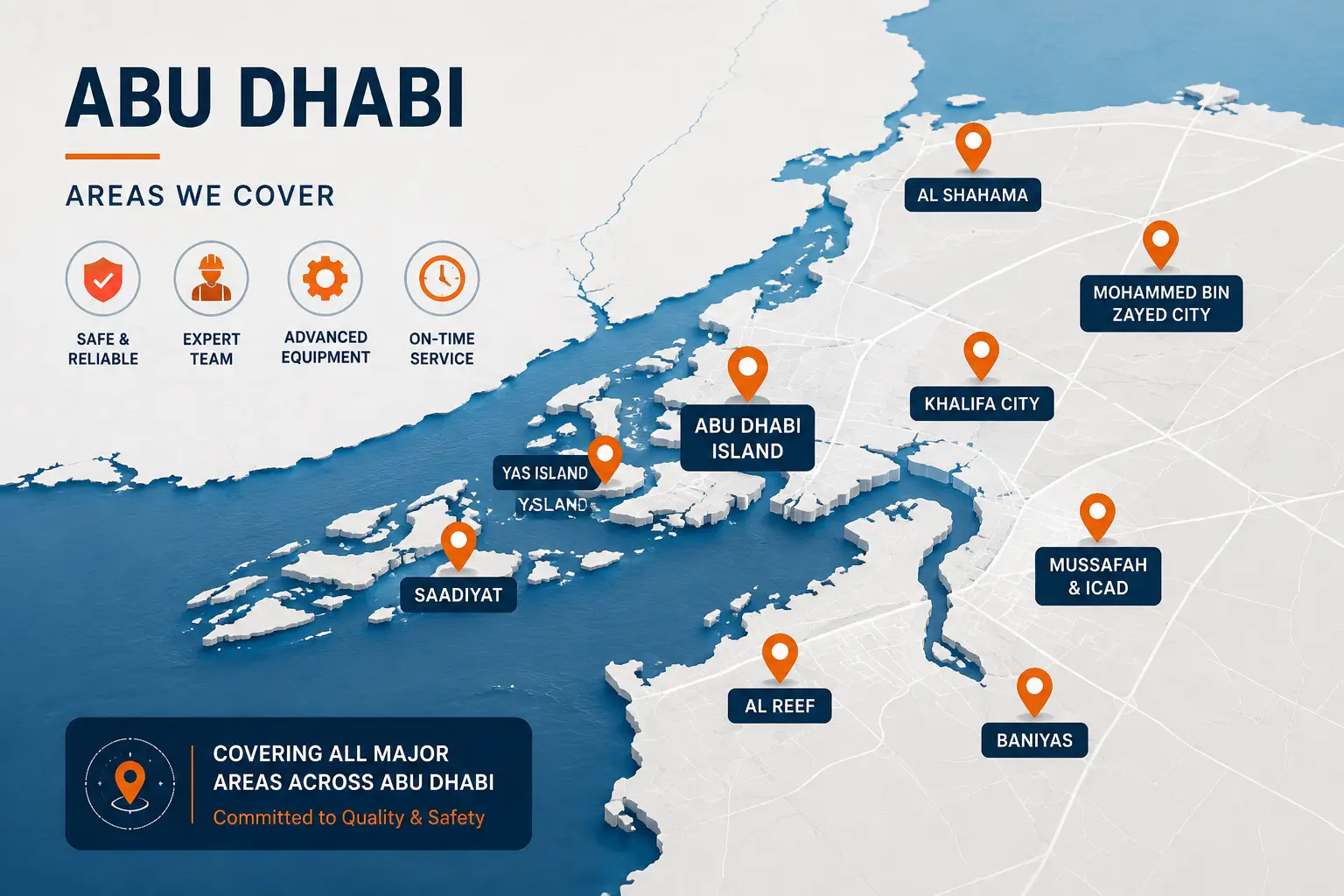
We take on demolition projects across the emirate, including Abu Dhabi Island, Mussafah and ICAD, Mohammed Bin Zayed City, Khalifa City, Al Shahama, Baniyas, Al Reef, Yas Island and Saadiyat.
FAQ
Get a Demolition Quotation for Your Abu Dhabi Site
Send us the plot details and we will survey the site, confirm what approvals your project needs, and give you a written quotation with a realistic timeline.