
Experienced Team
Skilled Operators
Precise Cutting
Accurate Results
Safety-Focused
Safe Work Practices
Professional Equipment
Proper Tools & Machinery
Trusted By Leading Companies




What we cut into beams
Controlled diamond cutting for openings, alterations and removals in reinforced concrete beams.
Service penetrations.
Openings through a beam so pipework, cable tray, drainage or duct can pass through instead of dropping below the soffit. Common on fit-outs where the ceiling void is already tight.
Enlarging an existing opening.
A sleeve was cast in the wrong size or the wrong place. We open it out to what you actually need, cleanly, without shaking the rest of the beam.
Partial beam removal.
Taking out a section of a beam — usually to make headroom, widen an access route, or clear a run for plant.
Full beam removal.
The whole span comes out. Used on layout changes, floor openings, and refurbishment where a downstand beam no longer suits the new plan.
Beam ends and stubs.
Cutting a beam back at the column so the connection can be reworked.
Beam trimming for openings.
Controlled cutting around new floor, stair or access openings where part of a reinforced concrete beam has to be trimmed to suit the approved structural design.
Beam cutting is structural work. The cutting method follows the approved structural requirements for the job.
We do not cut a beam on a phone call
This is the part that matters, so we will be direct about it.
Structural approval comes before the blade.
We will not cut a structural beam without approved drawings or written sign-off from the project’s structural engineer. That is not us being difficult. It is the only way this work is safe, and it protects you as much as it protects us.
Here is how a beam job runs with us:
You send the drawing.
Mark where you want the opening and how big it needs to be.
We scan the beam.
Concrete scanning shows us where the reinforcement sits, and whether there are tendons or conduits inside. We do this before we quote, not after.
The engineer approves the cut.
The consultant confirms the position and size. We coordinate with them directly if that is easier for you.
Temporary support goes in.
See the propping section below.
We cut.
Water-fed diamond cutting. Low vibration. No hammering on a loaded element.
The piece comes out and leaves site.
We remove the debris. You are left with a clean opening.
We can advise on cut positions and sequence from experience. What we will not do is tell you a beam is safe to cut. That call belongs to the engineer who designed it.
Post-tensioned and prestressed beams
We handle these case by case.
Scan First.
Confirm Before Cutting.
ENGINEER APPROVAL REQUIRED
Every beam gets scanned first. If tendons are present, we stop and confirm their exact positions before anything else happens. We will not cut until the engineer has approved that specific location.
Cutting a tendon by accident is not a repairable mistake. If we are not confident about what is inside the beam, we will say so and we will not proceed. Most of the time the scan gives us a clear enough picture to plan a cut that misses the tendons entirely.
Every beam scanned
We identify reinforcement and tendons before cutting.
Engineer approval
Cutting only proceeds after the specific location is approved.
No uncertain cuts
If we cannot confidently identify what is inside, we do not proceed.
Propping and temporary support
On beam work, the temporary works design and the propping sit with your side.
That is normal on structural jobs. Propping a loaded beam is part of the main contractor’s temporary works package, and it needs to be designed for the actual load path — which is your engineer’s information, not ours.
What we do is advise. We will tell you where we need the props to sit so they are clear of the cut line, and what sequence we plan to cut in so the support stays effective from start to finish. We will also confirm on the day that the propping is in place before we start.
How we cut beams
We pick the method to suit the beam. In most cases it is the wire saw.
Wire sawing
Wire sawing is the main tool for beam work. There is no depth limit — the wire goes right through a deep downstand beam that a blade cannot reach. It cuts through heavy reinforcement without slowing down, and it lets us section a beam into pieces sized to whatever lifting capacity you have on site. That last point matters more than people expect. If your only lift is a small crane or a manual handling route, we cut the beam into pieces that suit it.
Wall sawing
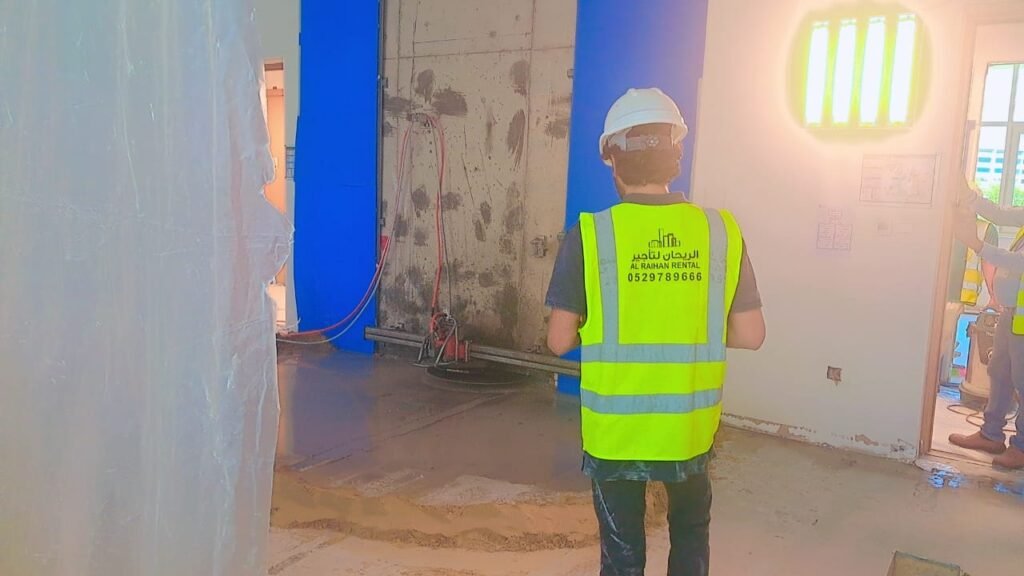
Wall sawing works for shallower beams and for square openings through a beam web where the depth is within blade reach.
Core cutting
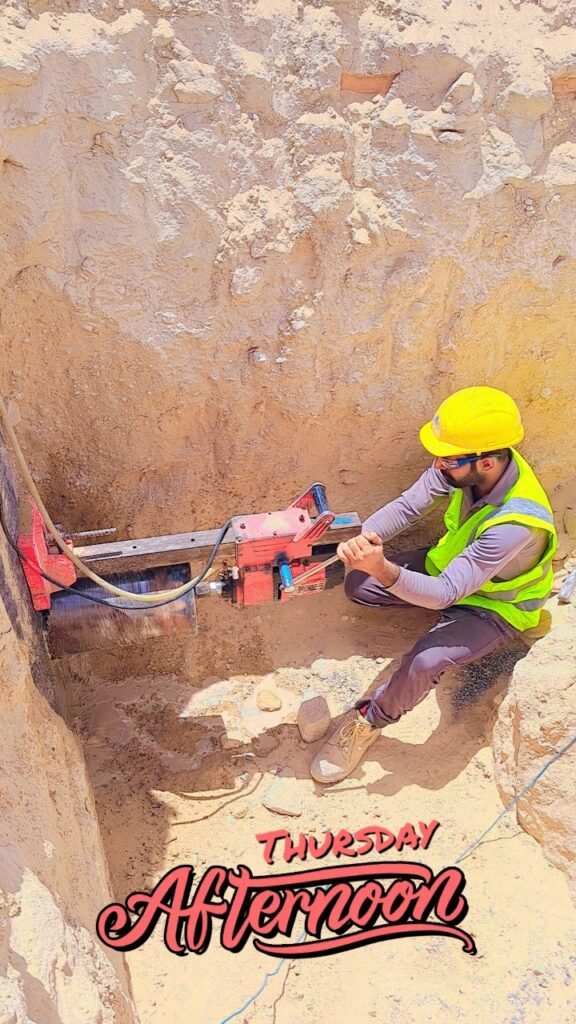
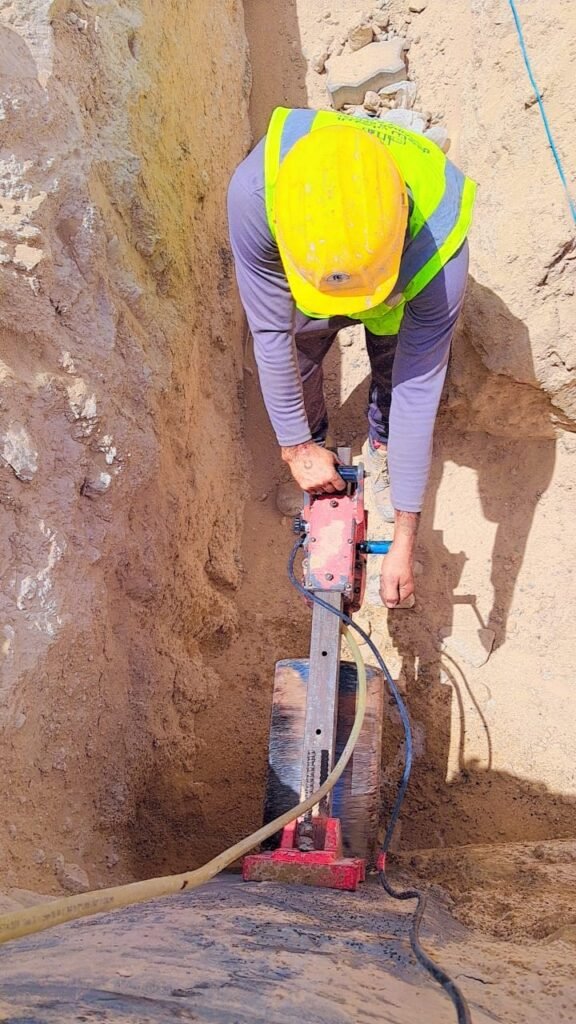
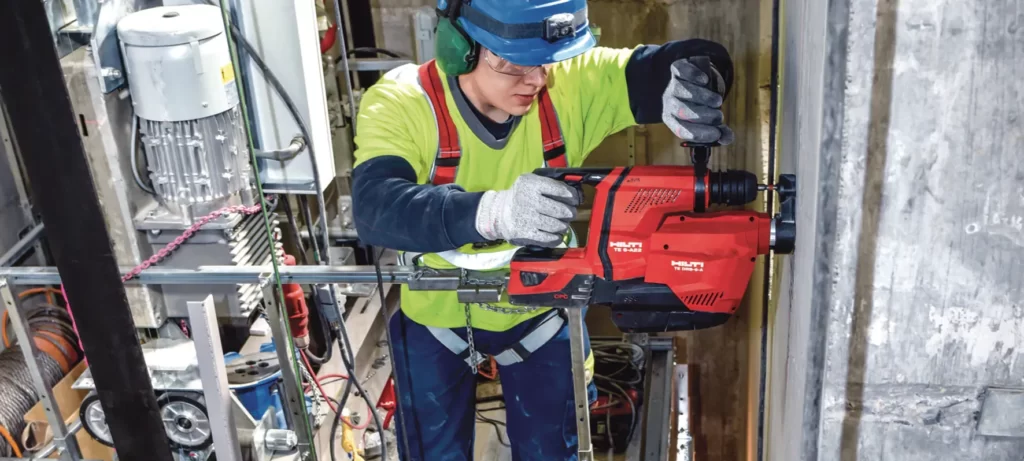
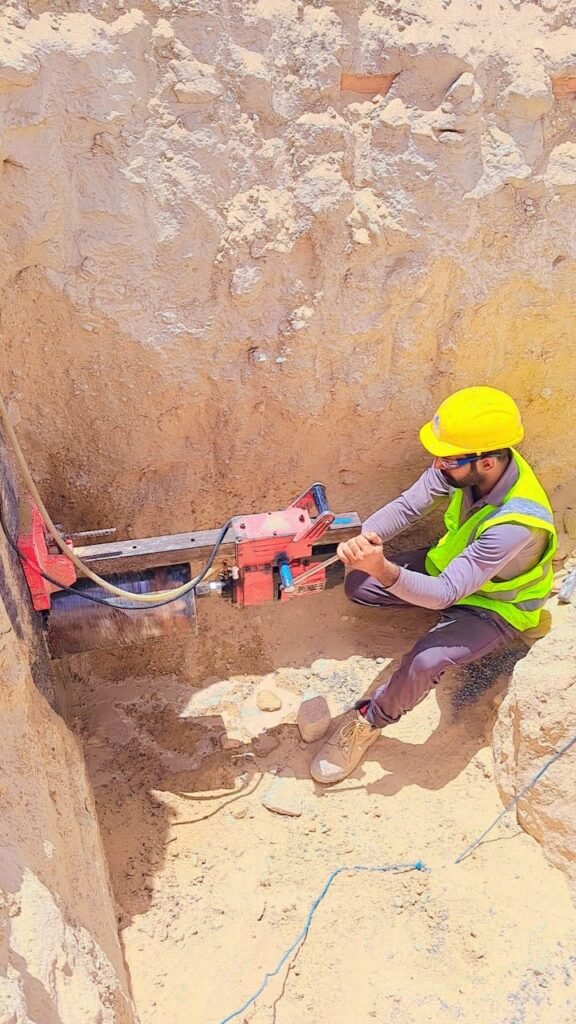
Core cutting handles round penetrations — a single pipe or conduit through a beam. Fast, clean, minimal disturbance.
Full beam removal
Full beam removal normally runs like this: scan, prop, wire-cut both ends to release the beam from the columns, then section the span into liftable lengths and take them out.
Where there is no lifting access at all, we can bring in a remote demolition robot instead — but we lead with sawing, because breaking a structural element puts vibration into a building you are usually trying to keep still.
Beam cutting capability
Where we work
We are based in Musaffah M09 and cover Abu Dhabi.
What Our Clients Say About Us
Our reputation is built on quality work and customer satisfaction. See what homeowners, contractors, and businesses say about our core cutting, concrete cutting, and demolition services across Dubai.
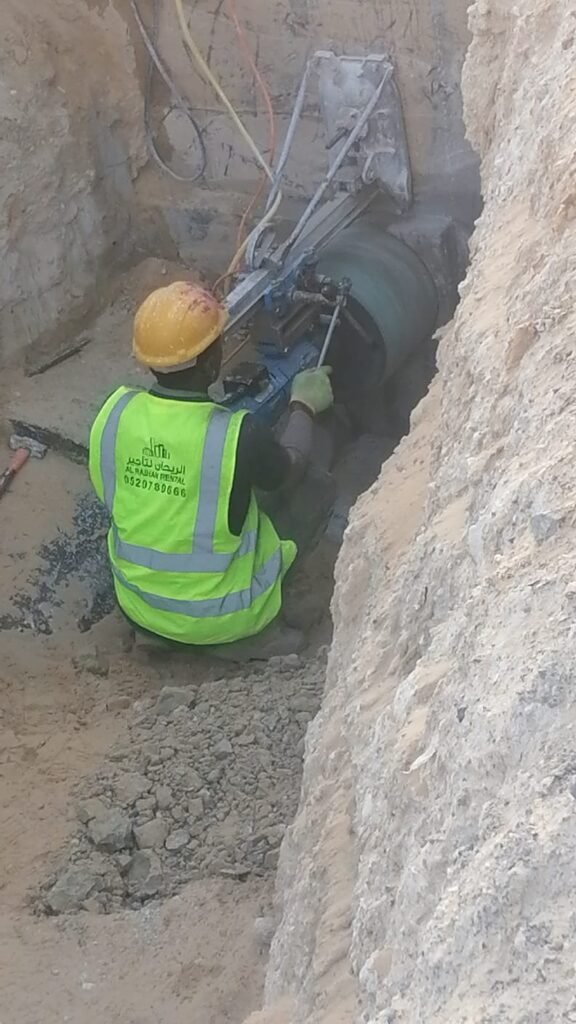
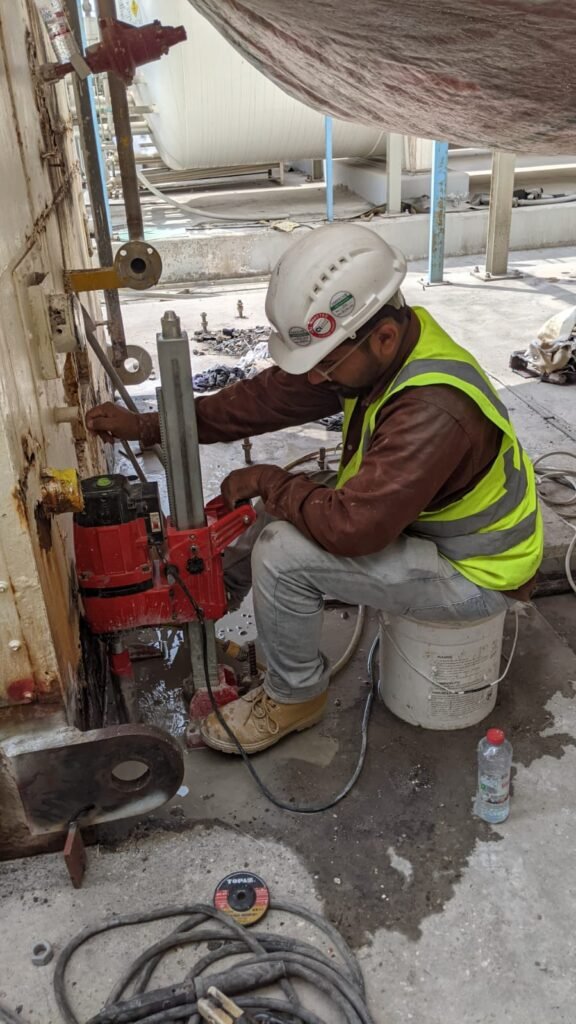
Our Projects

Frequently Asked Questions About Beam Cutting
Talk to us about your beam
Send us the drawing with the opening marked. We will scan it, coordinate with your engineer, and give you a straight answer on what can be cut.